
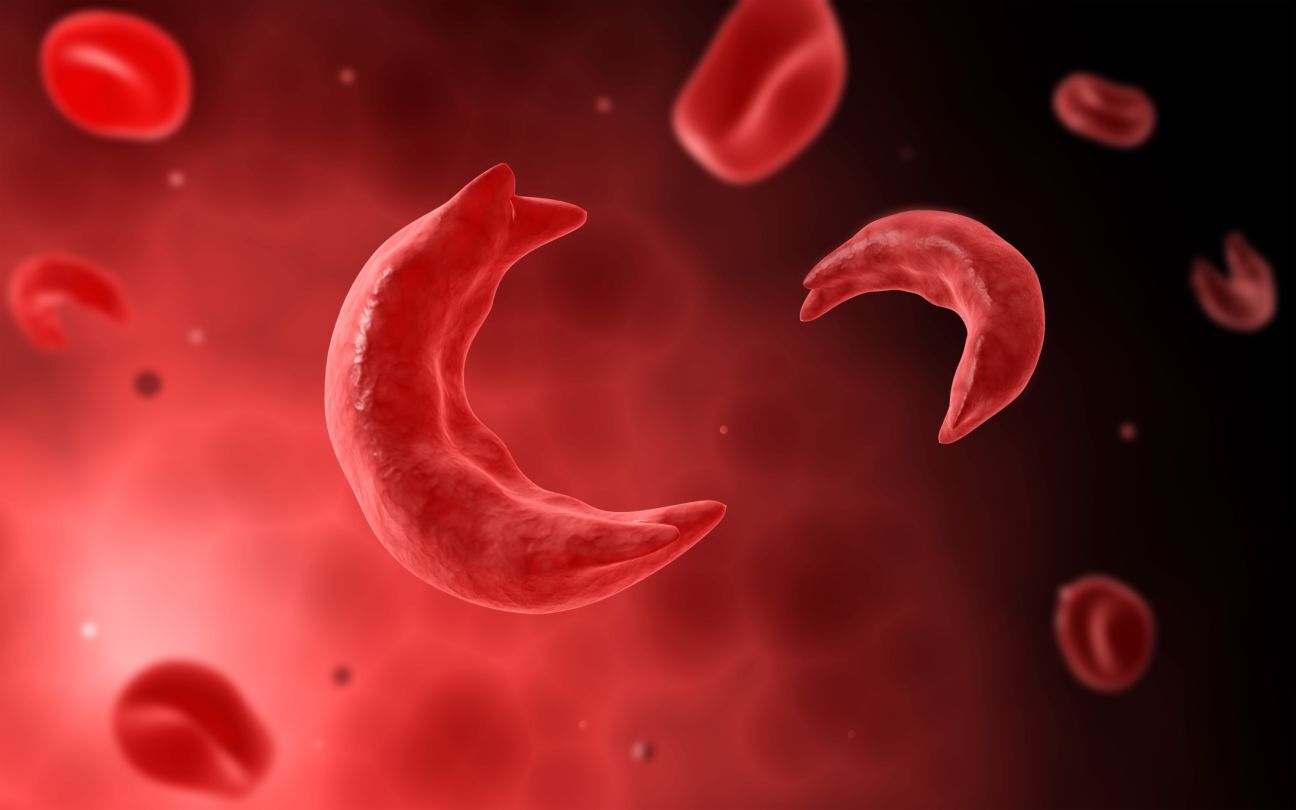
In the annals of medical history, few discoveries have sparked as much intrigue and hope as the unraveling of sickle cell disease. From its first clinical description by James Herrick in 1910 to the groundbreaking revelation of its genetic underpinnings by Linus Pauling and Emilie Snell-Santos in 1949, this journey through science is nothing short of fascinating. Imagine, a condition so complex, rooted in the very fabric of our DNA, that it would take nearly four decades to move from initial observation to understanding its genetic cause. World Sickle Cell Day, observed every June 19th, not only commemorates Herrick's pioneering work but also shines a spotlight on the ongoing battle against this challenging disease. It's a day that brings together patients, families, and researchers in a united front, aiming to demystify the condition, improve patient care, and fuel the quest for a cure. How did a single gene mutation come to affect millions worldwide, and what does this tell us about the power of genetics in shaping human health?
Key Takeaway
Timeline
Day Activities
Morning Workshops: Kick off World Sickle Cell Day with enlightening workshops designed to shed light on the complexities of sickle cell disease. Experts in genetics, hematology, and patient care come together to provide a comprehensive overview, sharing the latest research findings and innovative treatment options. These sessions are perfect for both medical professionals and families looking to deepen their understanding.
Afternoon Community Outreach: In the afternoon, volunteers hit the streets for a community outreach program. They distribute educational materials, share personal stories, and engage in one-on-one conversations to spread awareness. This grassroots approach helps demystify the condition for the general public, emphasizing the importance of early diagnosis and supportive care.
Evening Candlelight Vigil: As dusk falls, participants gather for a poignant candlelight vigil. This solemn event honors those who've battled sickle cell disease, celebrating their strength and remembering those lost to the condition. It's a powerful moment of community solidarity, offering comfort and hope to families affected by sickle cell disease.
Interesting Facts
1. First Observation in 1910
In 1910, James Herrick first described sickle cell disease in a patient.
2. Genetic Discovery by Linus Pauling
By 1949, Linus Pauling linked sickle cell anemia to a gene mutation.
3. World Sickle Cell Day Initiation
World Sickle Cell Day started on June 19, 1998, to raise disease awareness.
4. Date Significance
June 19 honors Dr. Herrick, who first identified sickle cell disease.
5. Day's Purpose
This day educates on sickle cell disease, promoting research and funding for cures.
Why We Love This Day
Celebrating medical milestones and honoring pioneers
Oh boy, isn't it something when we pause to celebrate how far we've come in understanding diseases that once baffled the best of minds? World Sickle Cell Day does just that by tipping its hat to the likes of James Herrick and Linus Pauling, who laid the groundwork for what we know today about sickle cell disease. Their curiosity and determination have paved the way for advancements in treatment and management of this condition, making life a bit easier for those affected.Raising awareness and fostering community support
Here's the thing, not everyone knows about sickle cell disease, and that's exactly why World Sickle Cell Day is a big deal. It's all about shining a light on this genetic disorder, spreading the word far and wide. This day brings people together, from those living with the disease to their families and supporters, creating a strong community vibe. It's about educating, sharing stories, and showing that nobody has to fight this battle alone.Promoting research and hope for the future
Let's not forget, this day isn't just about looking back at what's been achieved; it's also about looking forward with hope. World Sickle Cell Day is a rallying cry for more research, better treatments, and ultimately, a cure. Every conversation sparked, every dollar donated, brings us a step closer to turning the tide on this disease. It's a reminder that with continued effort and support, a brighter future is on the horizon for those affected by sickle cell disease.
Past & Future Dates
| Month | Day | Year |
|---|---|---|
| JUNE | 19 | 2022 |
| JUNE | 19 | 2023 |
| JUNE | 19 | 2024 |
| JUNE | 19 | 2025 |
| JUNE | 19 | 2026 |
| JUNE | 19 | 2027 |
| JUNE | 19 | 2028 |
FAQ
Why is World Sickle Cell Day June 19?
June 19th is officially designated as World Sickle Cell Awareness Day. The international awareness day is observed annually with the goal to increase public knowledge and an understanding of sickle cell disease, and the challenges experienced by patients and their families and caregivers.
How to celebrate World Sickle Cell Day?
Local papers love to share what people in their community are doing and it is a great way to raise even more awareness of World Sickle Cell Day. As well as running an event or fundraiser, another great way to celebrate World Sickle Cell Day is by donating and by encouraging others to donate.
When is National sickle cell Day?
Sickle cell disease (SCD) remains a significant—yet largely neglected—global health crisis, impacting millions of people worldwide. Every year on June 19, countries throughout the world unite to celebrate World Sickle Cell Day. The international awareness day is observed to increase public knowledge of SCD.
Which color is associated with World Sickle Cell Day?
The World Sickle Cell Awareness Day color is red. Red symbolizes the blood disorder and is used to show solidarity with those affected by SCD. Wearing red or displaying red ribbons on June 19th is a common way to participate in raising awareness.