
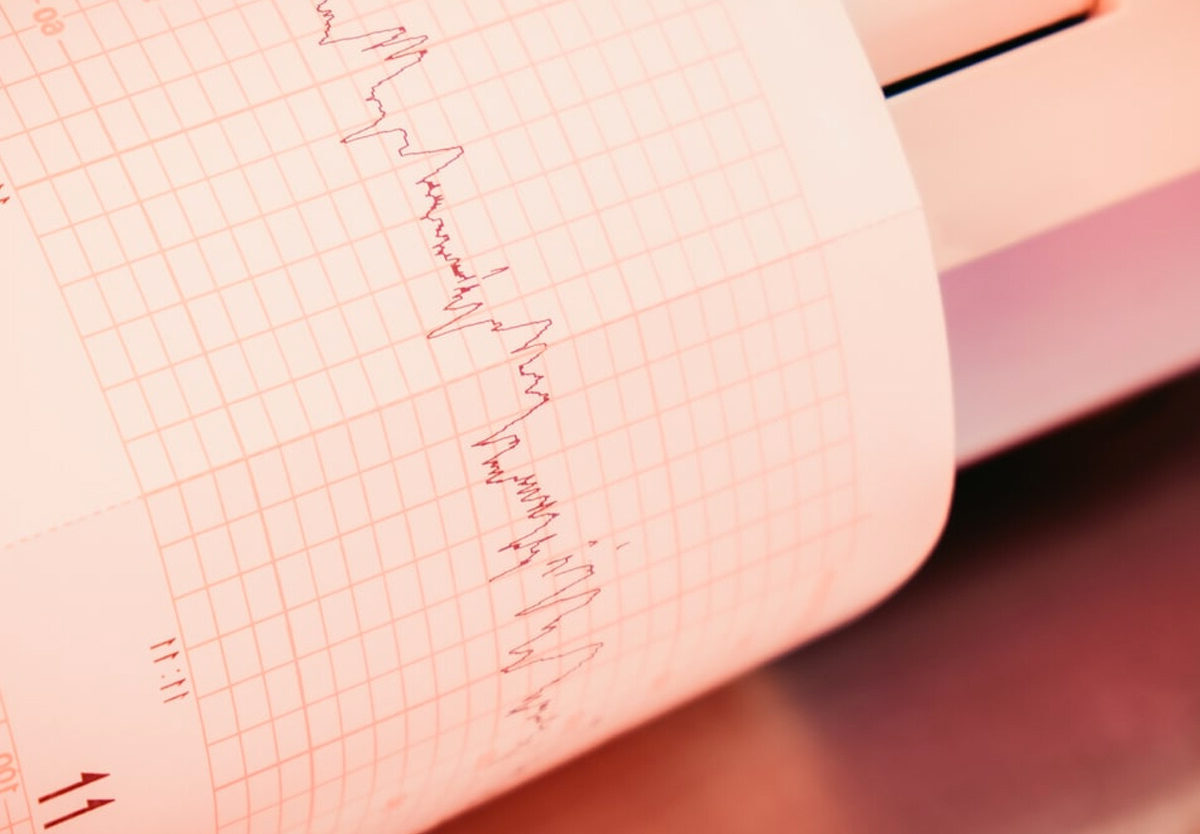
Imagine standing on solid ground one moment and feeling it shake beneath your feet the next. Earthquakes, one of nature's most formidable forces, have fascinated and frightened humans for millennia. At the heart of understanding these seismic events is the Richter Scale, developed by Charles F. Richter in 1935. This ingenious invention transformed how we perceive and quantify the earth's rumblings. Before the Richter Scale, measuring the magnitude of earthquakes was more art than science, with descriptions often relegated to mere words that hardly captured the event's intensity. Richter's scale brought a method to the madness, providing a logarithmic measure that not only standardized earthquake reporting but also helped scientists and emergency responders gauge potential damage. While the Moment Magnitude Scale has since taken precedence for its accuracy, the Richter Scale's legacy in laying the groundwork for modern seismology cannot be overstated. It's a testament to human ingenuity in our quest to unravel the mysteries of the natural world.
Key Takeaway
Timeline
Day Activities
Morning Shake-Up: Kick off National Richter Scale Day with a visit to a local science museum or an earthquake simulation center. Many places offer interactive exhibits where you can experience the shake of different magnitude earthquakes. It's a thrilling way to get a feel for the power behind those seismic waves.
Afternoon Learning Session: Dive into the world of seismology with an educational workshop or a guest lecture. Schools and community centers often host experts who can demystify how earthquakes are measured and the evolution from the Richter Scale to the Moment Magnitude Scale. It's a fantastic opportunity to ask burning questions and satisfy your curiosity.
Evening Reflection: Cap off the day by participating in an earthquake preparedness drill at home or with your community. Reflect on the contributions of Charles F. Richter and how his scale laid the groundwork for modern earthquake science. It's also a prime time to ensure your emergency kit is stocked and your family knows the drill.
Interesting Facts
1. Birth of a Groundbreaking Scale
Charles F. Richter developed the Richter Scale in 1935, revolutionizing how earthquakes are measured.
2. A Logarithmic Leap
The Richter Scale is logarithmic, meaning a small increase in number indicates a huge leap in earthquake magnitude.
3. Shift to Modern Measurement
By the early 1990s, the Moment Magnitude Scale had replaced the Richter Scale for more accurate earthquake assessments.
4. Cultural Icon Status
Despite its scientific retirement, the Richter Scale remains a well-known reference in popular culture and media.
5. Celebrating Seismic Science
National Richter Scale Day could spotlight earthquake preparedness and honor Charles F. Richter's seismic contributions.
Why We Love This Day
Celebrating scientific innovation: National Richter Scale Day shines a spotlight on the groundbreaking work of Charles F. Richter and his development of the Richter Scale in 1935. This day serves as a reminder of how one person's curiosity and determination can lead to inventions that revolutionize our understanding of the natural world. Richter's scale transformed how we measure and comprehend the magnitude of earthquakes, making it a key milestone in the field of seismology.
Raising awareness about earthquake preparedness: Earthquakes can strike without warning, causing widespread destruction and loss of life. National Richter Scale Day plays a crucial role in reminding folks about the importance of being prepared for these unpredictable natural disasters. It's a perfect time to learn about earthquake safety tips, like "Drop, Cover, and Hold On," and to ensure that emergency kits are stocked and ready. Awareness and preparedness can significantly reduce the impact of earthquakes on communities.
Honoring the legacy of a pioneering seismologist: While the Richter Scale might have been superseded by the Moment Magnitude Scale (MMS) for scientific accuracy, Charles F. Richter's legacy lives on. National Richter Scale Day isn't just about remembering a scale; it's about honoring the spirit of innovation and the relentless pursuit of knowledge that drove Richter. His work laid the foundation for modern earthquake science and continues to inspire seismologists around the globe. Celebrating this day helps keep the history of seismology alive and underscores the ongoing importance of studying earthquakes to safeguard our future.
Past & Future Dates
| Month | Day | Year |
|---|---|---|
| APRIL | 26 | 2022 |
| APRIL | 26 | 2023 |
| APRIL | 26 | 2024 |
| APRIL | 26 | 2025 |
| APRIL | 26 | 2026 |
| APRIL | 26 | 2027 |
| APRIL | 26 | 2028 |
FAQ
What is the official Richter scale?
Developed in 1935 by Charles F. Richter of the California Institute of Technology, the Richter magnitude scale serves as a method to quantify the size of earthquakes. This scale calculates an earthquake's magnitude from the logarithm of the amplitude of waves recorded by seismographs.
What does it mean when someone says the Richter scale 32 times?
In terms of energy release, when comparing earthquake magnitudes, an increase by one on the Richter scale suggests the energy released is about 32 times greater. For instance, a quake with a magnitude of 6.0 unleashes around 32 times more energy than one measuring 5.0 on the scale.
How accurate is the Richter scale?
For smaller quakes, the Richter scale provides reasonably good estimates. However, for larger magnitude earthquakes, it's less accurate. As a result, scientists prefer using the moment magnitude scale, abbreviated MW, which offers a more consistent measurement across a broader range of earthquake magnitudes globally.
What implies the Richter scale 30 times?
Similar to the concept of the scale increasing by factors of 32, a one-point jump on the Richter scale signifies a quake's energy has surged by a factor of 30. A magnitude 7 earthquake, thus, releases about 30 times as much energy as an earthquake with a magnitude of 6.