
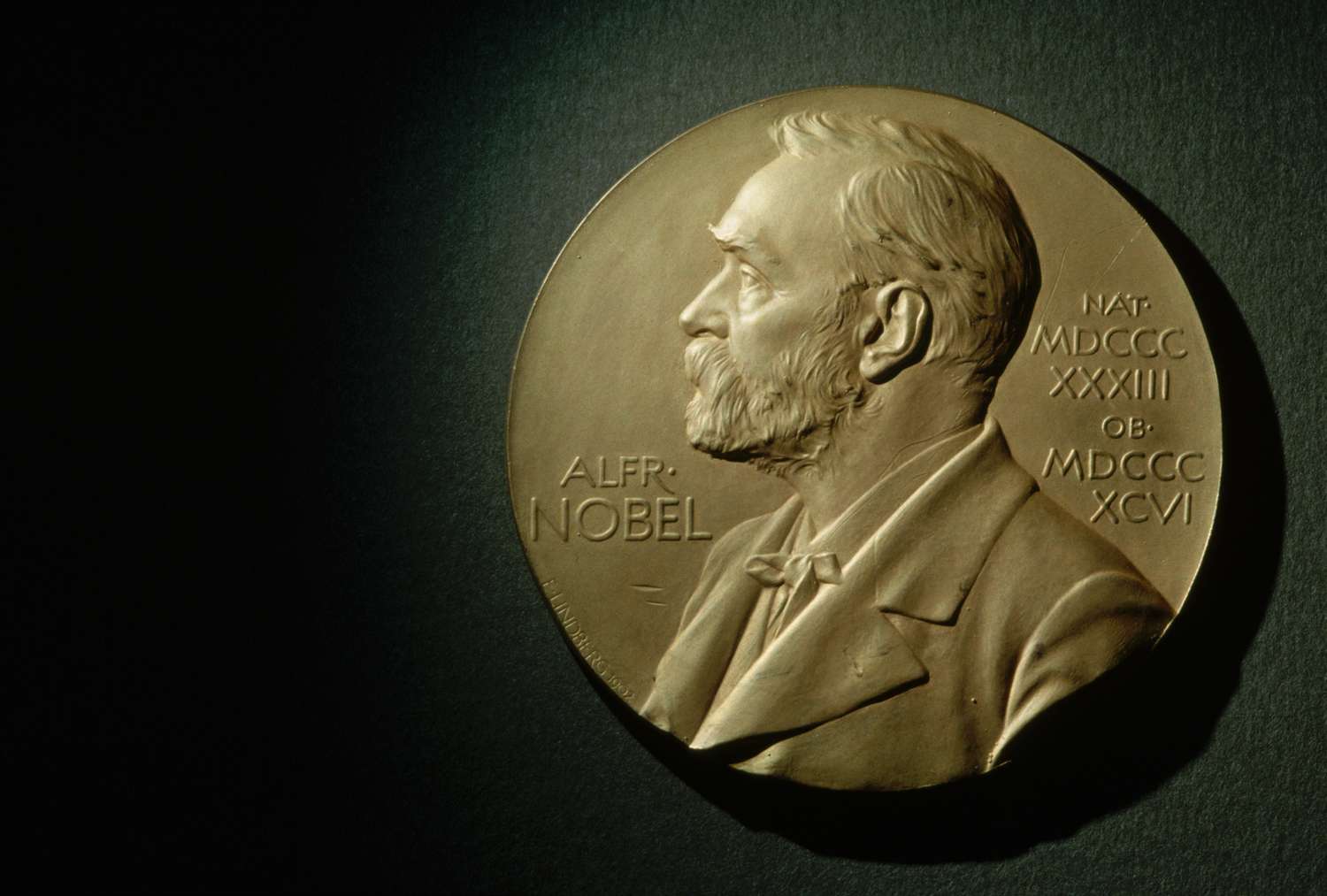
Imagine inheriting a fortune from an invention that changed the world, only to grapple with the moral implications of how that invention is used. This was the reality for Alfred Nobel, the Swedish chemist and inventor behind dynamite. Haunted by the fear that his creation might be associated more with destruction than with progress, Nobel made a decision that would redefine his legacy. In a move that surprised the globe, he dedicated his vast wealth to establishing the Nobel Prizes, a series of awards aimed at honoring those whose work brought the greatest benefit to humanity. From the dazzling discoveries in Physics and Chemistry, to groundbreaking advancements in Physiology or Medicine, and the profound expressions found in Literature and efforts toward Peace, these prizes also include a nod to Economic Sciences, added later to honor Nobel's vision in the modern era. Awarded annually, these prizes not only celebrate human achievement but also underscore our relentless pursuit of knowledge, peace, and a better world. What drove Nobel to create such a lasting and impactful legacy?
Key Takeaway
Timeline
Day Activities
Morning Lectures: Kick off Nobel Prize Day with a series of enlightening lectures. Esteemed laureates share insights into their groundbreaking work, sparking curiosity and inspiration. It's a unique chance to dive deep into the minds that are shaping our future.
Award Ceremony: As the sun sets, the spotlight shines on the grand award ceremony. Here, laureates receive their gold medals and diplomas, a moment of high prestige and celebration. This event isn't just a formality; it's a global acknowledgment of excellence and contribution to humanity.
Evening Banquet: To wrap up the day, an extravagant banquet is held in honor of the laureates. This is where the intellectual meets the social, in a blend of fine dining and stimulating conversation. It's the perfect ending to a day dedicated to celebrating human achievement and potential.
Interesting Facts
1. Inception from a Will
Alfred Nobel's will kickstarted the Nobel Prizes, first awarded in 1901.
2. Dynamite to Peace
Inventor of dynamite, Nobel sought to leave a legacy promoting peace and knowledge advancement.
3. Six Categories
Nobel Prizes span six fields: Physics, Chemistry, Medicine, Literature, Peace, and Economic Sciences.
4. Prestigious Accolades
Considered the most prestigious in literature, science, and peace, each prize includes a gold medal, diploma, and cash.
5. Annual Celebration
Nobel Prize Day is celebrated annually on December 10, with ceremonies in Stockholm and Oslo.
Why We Love This Day
Celebrating human achievement: Nobel Prize Day shines a spotlight on extraordinary individuals and organizations that have pushed boundaries and made significant contributions to humanity. From groundbreaking scientific discoveries to literary masterpieces and efforts toward world peace, this day reminds us of the power of human intellect and compassion.
Nobel Prize Day isn't just any ordinary day; it's a global celebration of genius, creativity, and the relentless pursuit of knowledge. Every year, on December 10, we're reminded of the incredible potential humans have to change the world for the better. Whether it's unraveling the mysteries of the universe, penning words that touch the soul, or forging paths to peace, the laureates' achievements inspire us all to dream bigger and work harder.
Alfred Nobel's legacy: Beyond the glitz of gold medals and cash prizes, Nobel Prize Day is a testament to Alfred Nobel's vision of a better world. His transformation from the inventor of dynamite to the founder of a set of prizes promoting peace, knowledge, and literature is a powerful narrative of redemption and hope.
Talk about a change of heart! Alfred Nobel went from dynamite dude to patron saint of progress, showing us all that it's never too late to make a positive impact. His story is a reminder that what we leave behind matters and that through vision and generosity, one person can indeed make a difference. Every December 10, we're not just celebrating the laureates; we're honoring Nobel's belief in the potential for science, literature, and peace to shape a better future.
A global moment of unity: On Nobel Prize Day, people around the world come together to celebrate the achievements of the laureates, transcending borders, cultures, and disciplines. This universal recognition of excellence serves as a reminder of our shared humanity and the common goals that unite us.
Let's face it, there aren't many moments when the whole world pauses to celebrate together, but Nobel Prize Day does just that. It's like the Olympics of the mind, where the medals go to those who've lifted humanity higher. This day reminds us that despite our differences, we all share a deep appreciation for the pursuit of knowledge and peace. It's a day that brings us together, cheering not for countries, but for the triumph of the human spirit over the challenges that face our world.
Past & Future Dates
| Month | Day | Year |
|---|---|---|
| DECEMBER | 10 | 2022 |
| DECEMBER | 10 | 2023 |
| DECEMBER | 10 | 2024 |
| DECEMBER | 10 | 2025 |
| DECEMBER | 10 | 2026 |
| DECEMBER | 10 | 2027 |
| DECEMBER | 10 | 2028 |
FAQ
Why is Nobel Prize given on 10 December?
Since 1901, the Nobel Prizes have been presented to new laureates at ceremonies on 10 December, the anniversary of Alfred Nobel's death.
Why do we celebrate Nobel Prize Day?
It honors the achievements of Alfred Bernhard Nobel, a Swedish engineer, chemist, entrepreneur, and philanthropist. We have all heard of the Nobel Prize that recognizes outstanding achievements in various fields in the arts and sciences. Nobel Prize Day is a tribute to the person who instituted the prize.
What national day is on December 10?
Human Rights Day. International Animal Rights Day. Jane Addams Day. National Day of Animal Rights.
What is the date of Nobel Prize?
Except for the Peace Prize, the Nobel Prizes are presented in Stockholm, Sweden, at the annual Prize Award Ceremony on 10 December, the anniversary of Nobel's death. The recipients' lectures are normally held in the days prior to the award ceremony.