
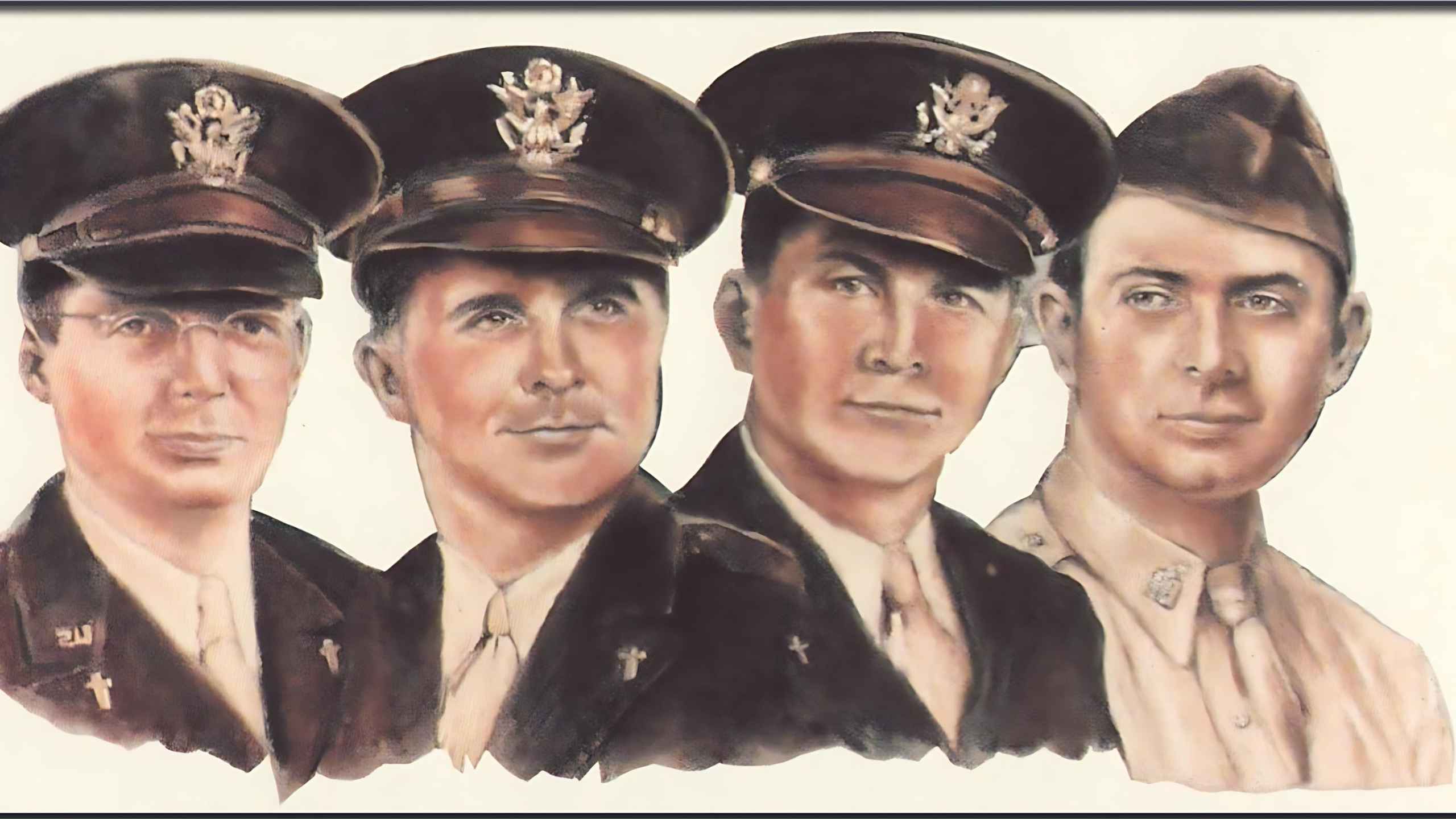
In the heart of one of World War II's darkest hours, a tale of heroism and sacrifice emerged that would forever etch the names of four military chaplains into the annals of American history. Four Chaplains Day, observed every February 3rd, isn't just a date on the calendar; it's a poignant reminder of the power of faith, unity, and selflessness in the face of unimaginable adversity. These chaplains, hailing from different faiths, stood together as the USAT Dorchester sank into the icy waters off Newfoundland, offering their own life jackets to save others. Their actions speak volumes about the strength found in diversity and the extraordinary courage that can emerge when humanity's best faces its worst. As we remember Rabbi Alexander Goode, Reverend Clark Poling, Reverend George Fox, and Reverend John Washington, let's reflect on what their ultimate sacrifice teaches us about bravery, compassion, and the enduring spirit of solidarity.
Key Takeaway
Timeline
Day Activities
Morning Reflections: Four Chaplains Day kicks off with solemn sunrise ceremonies across the nation. Participants gather, often in chilly predawn hours, to honor the memory of these selfless heroes with prayers, moments of silence, and the reading of their story. It's a poignant reminder of bravery and unity in the face of adversity.
Community Service: Echoing the chaplains' spirit of giving, many observe the day through acts of service. Volunteers might find themselves packing care packages for soldiers overseas, visiting veterans' homes, or participating in local clean-up projects. It's all about paying it forward, embodying the chaplains' legacy of compassion and communal support.
Educational Programs: Schools and community centers often host workshops and presentations, diving deep into the historical significance of the Four Chaplains' sacrifice. Through interactive lessons, discussions, and perhaps a screening of documentaries, attendees young and old gain insights into the values of sacrifice, interfaith harmony, and the cost of freedom.
Interesting Facts
1. Heroic Sacrifice
Four chaplains gave up their life jackets to save soldiers during the USAT Dorchester sinking.
2. Diverse Faiths
The chaplains represented Jewish, Catholic, and Protestant faiths, symbolizing unity.
3. Posthumous Honors
They were awarded the Distinguished Service Cross and Purple Heart posthumously.
4. Annual Observance
Four Chaplains Day is celebrated every February 3rd in the United States.
5. Legacy of Unity
Their actions became a symbol of interfaith harmony and sacrifice.
Why We Love This Day
Celebrating selflessness and bravery
Oh boy, Four Chaplains Day isn't just another date on the calendar; it's a powerful reminder of the incredible selflessness and bravery humans are capable of. These four chaplains, from different faiths, stood together, arms linked, as a living testament to unity and sacrifice. They didn't just talk the talk; they walked the walk, giving up their life jackets—and ultimately their lives—to save others. This day celebrates not just their act, but the spirit of putting others before oneself, a lesson we could all do with remembering more often.Unity in diversity
Here's the thing: in today's world, where differences often pull people apart, the story of the Four Chaplains is like a breath of fresh air. They came from different backgrounds and faiths but found common ground in their humanity and their commitment to serve others. Celebrating this day reminds us that, at the end of the day, we're all in this together. It's a nudge to look past our differences and work together for the greater good, just like those chaplains did on that fateful night.Honoring all military chaplains
Let's not forget, Four Chaplains Day isn't just about those four heroes; it's also a day to tip our hats to all military chaplains who've served and continue to serve. These folks are out there, often in the thick of it, offering spiritual support, guidance, and a listening ear to those in uniform. Recognizing this day shines a well-deserved spotlight on their courage and dedication, reminding us of the vital role they play in the lives of military personnel, both in times of peace and conflict.
Past & Future Dates
| Month | Day | Year |
|---|---|---|
| FEBRUARY | 3 | 2022 |
| FEBRUARY | 3 | 2023 |
| FEBRUARY | 3 | 2024 |
| FEBRUARY | 3 | 2025 |
| FEBRUARY | 3 | 2026 |
| FEBRUARY | 3 | 2027 |
| FEBRUARY | 3 | 2028 |